Writing Fantasy || Character Personalities


How well do you know your characters?

  • Do you know the personalities of these people who live in your head?
  • Have you spent enough time with them to know how they’d feel about what’s going on in their story?
  • Would their reactions to certain events or a flippant statement lead to a fight scene?
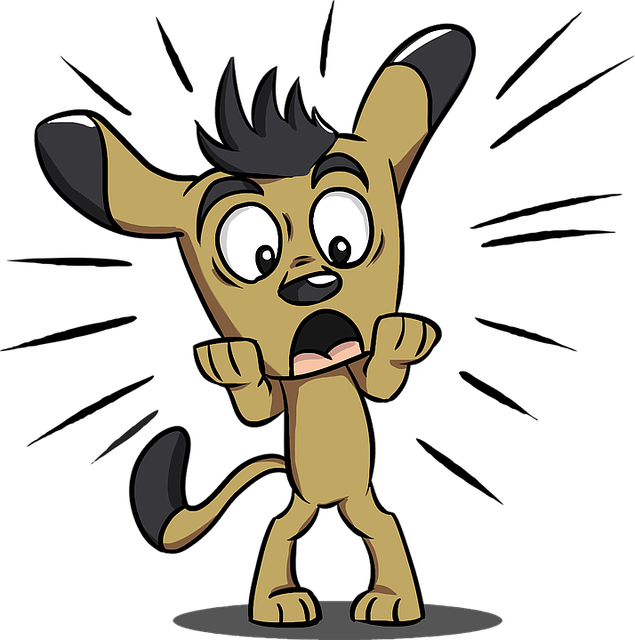
  • If they saw a mouse in the kitchen would they scream and jump up on the couch?
Writing Character Personality Types
How would your character react?


How to get to know your characters

Knowing your characters well enough to be able to use their personality traits to your advantage as you write your novel will make the writing flow easier and create logical and organic story arcs.

  • For example, who is your protagonist likely to befriend?
  • Who may hate your protagonist?
  • What drives your protagonist’s passion?
  • What may drive a particular character crazy?
  • How would your antagonist behave in an argument?

As I study the next steps in writing my novel, I realize I can’t answer some of the questions I need to ask to plot my story. The reason being, I don’t know what my character would do in any given situation. So, I need to take the time to get to know who these people are and what their responses would be to the events I want in my story. I need to be able to walk through this story with my characters and see, hear, touch, smell and taste what they experience and how they respond to the circumstances I set before them.


Personality Types

We need to take time to get to know everyone in our story. It’s fascinating and fruitful. Once we know our main characters well we’ll be better able to write an accurate and believable story. It may come in handy with a few of those friends who’re giving us a hard time. If we understand people better we may just be able to get along better.


What’s Your Personality?

How about you? If you’d like to dig a little deeper or find your own personality type, you can check out a blog post I wrote for my mini-course, Your Write Voice For His Kingdom.

Once we know our characters’ personalities we can go on to discovering their backstories and why they responded to events in their past based on those personality traits.

Have fun discovering the ways we were all made so differently by our Heavenly Father.

Til next time, know you are loved by the One who made you in His image.

Lynne


Resources for digging deeper:

There are several personality tests online but, in my opinion, these three are the best. Each one brings a different perspective to a developing character.

Writing Fantasy || Character Names

What’s In a Character’s Name?

When we write fantasy or any other genre of fictional story we need to name our characters. We get to create the people and creatures and then give them a name, so they come ‘alive’ to us as we write and to the reader who’s going to be blown away by our stories. Cool, huh?

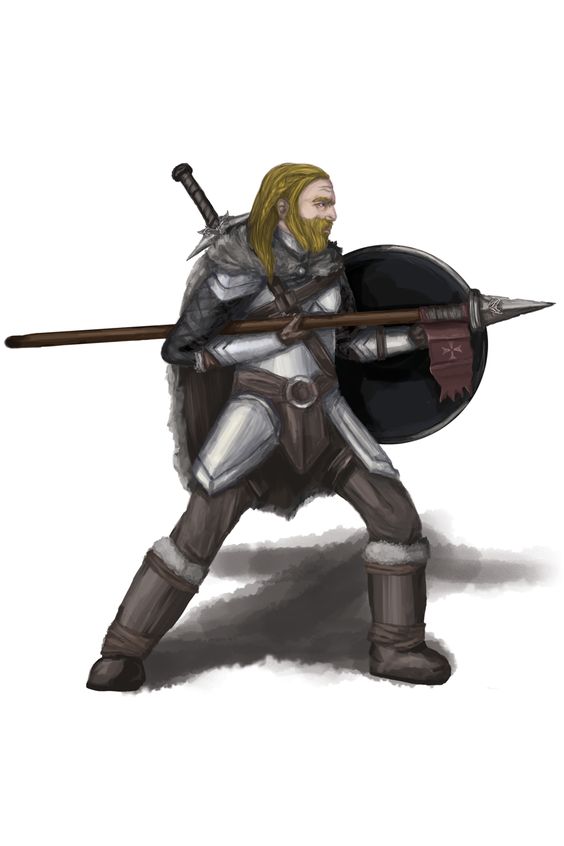
Writing Fantasy - Names. Male Nord Paladin
Writing Fantasy Names – Male Nord Paladin from ‘The Fellowship Of The King’

Art by Kirstie Shanks Brand & Web Design


3 Ways to Create Fantasy Names

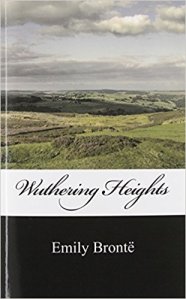
Reading and researching old books from the countries or regions which have influenced your setting can be a big help. Consider the character of Heathcliff in Wuthering Heights. Heath means ‘an area of land covered in heather or similar low dense shrubbery’, and Cliff is ‘a high steep rock or precipice’. Heathcliff is a perfect name for the dishevelled and tortured romantic hero living on the English moors. (Dear to my heart as I was born there–not on the moors, down the road a bit).

Wuthering Heights by Emily Bronte, on Writing Character Names
Wuthering Heights by Emily Bronte

Other characters have more obscure names such as Mark Twain, the renowned author and humourist. He was born Samuel Clemens but used the pen-name Mark Twain, which means the second line on the side of the riverboat where Twain worked as a young man. The second line (mark) was 12’ and the safe depth mark for the boat.

How do you go about choosing, or inventing, a name for your fantasy characters? If I want to quickly write a short story or an ebook, I find it easier to use a name that fits with the occupation of the character.


First Name + Occupational Surname

Penelope Donkeyrider (Courier)

Dugan Bagsnatcher (Thief)

Ventrice Shoemaker (Cobbler)

Tola Axegrinder (Blacksmith)

Roland Brewmaster (Winemaker)

First Name + Setting Surname

Fantasy characters can also be named for the place where they live:

Jon Greenwood

Alex Steephill

Lara Pigstye

Beulah Wortbog

Lolita Lakebottom


First Name + Race

How about naming your character as easy as using their race as a descriptor?

Kreg Cave Dwarf

Felicia Fairy Princess

Harry Halfling

Trevor Troll

Eleander High Elf


You get the idea. I’ve come up with a few hilarious names doing this. I’ve also found watching the credits from shows and movies to be inspiring, especially if the show was filmed in a place similar to my story world. There are name generators that can help too. Here’s a site I go to for inspiration – Name Generator

And here’s a Dwarf Name Generator for you.


Authors and Pinterest

Giving my main characters names helped me to organize my files on my Pinterest boards where I stash every image I can find that looks at all like I envision my character to be as well as my story settings and other features. Now that Pinterest allows me to add ‘sections’ to my boards I have one for my hero, minor protagonists, the main villain, minor antagonists and one for settings. Also, I feel a closer connection to my characters when I talk to them if they have names (admit it, you do this too, right?) Check out my published books on Pinterest and the new novel I’m writing. I also use these images for my social media gems (unless they’re repinned and have copyright).

By naming my darlings, I feel them take on a personality, and it’s easier to write their story, how they would respond to situations and their mannerisms. Do you feel this way about your characters?

A brainstorming session with friends could generate a lot of names for you – and a lot of beverages snorting out of the nose (always a good party trick). What else could influence your characters’ names?

So, have fun with naming your characters.


What name would you give the character in the title picture?

Leave a comment. I’d love to know what name you came up with.

Til next time, know you are loved by the One who made you in His image.

Lynne

Writing Fantasy || Character Occupations

What Do Fantasy Characters Do For A Living?

Why do we need to create an occupation for our characters? Well, our characters will need something to do on a daily basis while they wait for the epic events of their story to unfold. What does your main protagonist do all day? Do they work as a clerk in a shop, go to school, apprentice, or are they independently wealthy? Depending on your story genre, the answer to their occupation may be a different answer entirely. Maybe your protagonist is a dragon trainer!

Dragon trainer by owensart

The storyline will determine your characters’ occupations according to what you need to happen. For example, in order for your story to flow well, characters may need to be in a particular place at a certain time for a spectacular fight scene. Who will be involved in the scene? If you have a wonderful protagonist who’s going to be fighting, how do they fight and why? Are they saving a fair-haired maiden from the clutches of an evil villain or are they catching her as she falls off a cliff?

One scenario may lend better to the protagonist being a knight and in another story, the protagonist may be a wizard who projects a beam to catch her mid-air. On the other hand, if you’re a romantic at heart, your protagonist may be a handsome prince who just happened to be riding by and catches her in his arms as she falls (swoon).

According to the occupation you choose for your characters, they’ll need the ability to carry out their work. Writing in their abilities somewhere helps to keep the characters believable. For instance, a young scholar may not have the physical strength to wield a five-foot sword, or the understanding of human anatomy to know where to land a fatal blow.  Show their skills at work instead of telling the reader about them. I’ve learned that action draws the reader into the scene.

10 Fantasy Occupations and Abilities

WIZARD – Magic, Focus, Research

PIRATE – Sailing, Leading, Navigating, Thieving

KNIGHT – Swordsmanship, Strategizing, Loyalty

GLADIATOR – Physical Strength, Combat Skills, Fearlessness

BLACKSMITH – Forging, Metallurgy, Craftsmanship

RANGER – Travelling, Stealth, Archery

CLERIC – Teaching, Learning, Wordcraft

BARD – Musician, Singing, Entertaining

VAMPIRE HUNTER – Night-Shift Worker, Precision, Analysis

SHEPHERD – Animal Farming, Patience, Protecting

In her book, Worlds Unseen’, Rachel Starr Thomson writes a compelling story about an orphaned girl, a dying council member and a gypsy. Her characters come together from different occupations to battle the unseen forces of evil.

Writing Christian Fantasy
Worlds Unseen by Rachel Starr Thomson

What occupations fit well with the story you’re writing? What will your main protagonist do? Do they enjoy their work? What unexpected twists will drive them to do something extraordinary? Do they long for an awesome adventure? You’re exactly the right person to give them one!

Want more fantasy occupations to choose from?

A reader sent me a link to a pin with 100 jobs for fantasy characters! Here’s the pin link.  Thank you, kyyuan 🙂

Til next time, know you are loved by the One who created you in His image.

Lynne

Writing Fantasy || Character Races

Writing Fantasy Races

Creating the character races has got to be my favourite part of writing fantasy. I discovered early on in the writing process, that when we’re writing fantasy, our characters will depend largely on the type of world we envision them living in.

Let’s say you have a fantasy world similar to Earth but with beings familiar to most readers of the fantasy genre. You’d probably include Elves, Dwarves, Humans, Halflings and one or two unique species of your own creation.

Writing Fantasy - Faun Knight by Benjamin T. Collier using Soul Calibur 5
Faun Knight by Benjamin T. Collier using Soul Calibur 5 – click here for more images

If you haven’t done so yet, now would be a good time to create a Pinterest board for your main characters. I find my Pinterest boards inspire me when I get writer’s block and help to keep me focused on the story I’m writing. Pinterest now allows you to add sections to your boards so you can have sections for—

  • Main Protagonist
  • Main Antagonist
  • Secondary Protagonists
  • Secondary Antagonists
  • Fantasy World (more on that later)
  • Scene Ideas
  • Other things you need to keep track of (you can check out my board for my soon-to-be-published Dwarf fantasy here).

We create the visual story as we read so your readers will envision the story better if they’ve already seen what these species look like. I tried to find pins of similar races to my characters to start with until my graphic designer created amazing images for my book, The Fellowship Of The King.

If you introduce a new species, remember to include a detailed description of the basic appearance of your character. Fantasy readers have good imaginations, but give them a little help by describing the character’s height, hair, skin, eyes, mouth, ears, gait, clothing and such.

You could run your description by a friend and ask them to draw what you described. Does it look like you envision your character to look like? What other descriptives could you add to create a clearer picture in your reader’s mind?

You can even add a link to your Pinterest board so they can actually see the characters for themselves. Remember to add your own artwork if you decide to go that route. The board could also help to pre-sell your new novel as you write!

Your Fantasy Character’s Evolution

How will your races survive in the climate you create for your world?

Do they need to live underground because their skin burns easily and their world has two suns? What other attributes do they have because of this?

Will they live in trees because the world has flooded from a melting ice age? How does that affect their appearance?

Have they evolved from the original species because of some catastrophe and now look entirely different?

Perhaps a Dwarf race is now hairless because a specific ingredient has been lost from their diet.

Changing a few basic features will make your characters unique, but you’ll need to know why they look different from LOTR races which readers will naturally gravitate towards while they read a fantasy story. I’ll talk more about backstories later, so for now, focus on who they are and their general appearance.

 Copyright

You’ll need to be careful of copyright when including a race that someone else has created. It’s safer to begin writing fantasy with races which are commonly known such as the ones I’ve mentioned, or connect with a writing coach to help you with that. Any race from folklore is a pretty safe bet too.

If you decide to create a new race, chances are your creations will end up on the internet somewhere and others will use them. Are you ok with that? If not, you’ll need to copyright them.

Be sure to add a watermark to any original pictures and always link them to your website. Readers like to know the author behind the story and the artist behind the artwork.

Have fun creating your very own characters! No one else can create your characters like you can. These are your people and creatures. How amazing is that?

Til next time, know you are loved by the One who bestowed upon you His divine imagination and created you in His image.

~ Lynne

Writing Fantasy || Logline (Elevator Pitch)

What is a logline?

Have you ever been in a situation where you tell someone you’re writing a book, all excited, and then they ask you what it’s about, and you get that glazed look like you just woke up from a nap? Yeah, I did that a lot with my first book. Then someone told me at a conference that I needed a logline. A logline is an extended premise sentence. It tells your readers more about your story. Your one-sentence premise catches their attention and the logline gets them hooked. The idea is to leave them wanting more without giving away your entire plot. The logline is what you use as your Elevator Pitch.

Why you need an elevator pitch for your fantasy/fiction novel

The Elevator Pitch is meant to be answered in the time it takes the elevator to get to the next floor, because that’s sometimes all the time you have with someone in person, and it’s the time most people online will take to decide if they want to spend time getting to know more. So–thank you for sticking around so far!

The logline is also a gem for social media such as Facebook where you have the opportunity to post more words than on Twitter.

5 key components of writing a fantasy/fiction logline

  1. Main Character – the hero/protagonist
  2. Their Situation – their daily life
  3. Their Objective – what they want that they don’t have
  4. Their Opponent – the person or thing that gets in their way
  5. Disaster – you’ll need an epic battle or devastating event

Here’s an example: 

  • Main character

Dave.

  • His present situation (occupation, relationship, what’s going on in his life?)

 He works at a coffee shop.

  • What does he want? (the treasure or objective).

He wants to escape the drudgery of his job and start his own business.

  • Who or what stands in his way? (the antagonist can be a person or situation).

He doesn’t make enough money to start the business because his boss (the antagonist) won’t give him extra hours.

  • What happens to change his life?

He’s met by a band of creatures in the forest, and they take him to a mystical city hidden in the woods. They show him how to make delicious pastries from organic ingredients found in a secret part of the forest. The cakes are healthier and actually help with weight-loss. Dave sees the potential for a successful bakery business.

  • Your story will need some exciting conflict

His boss steals the recipes.

Here’s all the information in one concise sentence:

“Dave, a dissatisfied coffee shop employee, wants nothing better than to quit his job and open his own business but lacks the finances to do that because of his mean boss. Until he meets mystical creatures in the forest who surprisingly change Dave’s aspirations, but Dave’s boss isn’t ready to let him go that easily”.

This is the sentence you use as your Elevator Pitch.


Remember the premises from the last post?

Here are their loglines–

“Colin Wade is on a mission. A mission to study a singularity – the enigmatic centre of a black hole. But things are definitely not going according to plan, as Colin finds himself in an area of space with no visible stars at all until a lone blue light threatens to engulf the ship in a strange fire. Colin will need all of his cunning, and plenty of unlikely help, to solve the mystery of the singularity, or else find himself lost in space indefinitely.”


“Bookstore owner Meryn O’Reilly and Army Captain Jesse Christensen are on opposite sides of a battle. After a series of terrorist attacks in 2053, martial law has been declared in Canada and the military has taken over. When a radical Christian group claims responsibility, Jesse and his platoon are sent to Meryn’s city to keep an eye on the Christians and ensure they are not stepping outside the confines of the law.”


And, by the way, if you come across those pastries, please let me know!

Til next time, know you are loved by the One who made you in His image.

Lynne


(note: I’m an Amazon affiliate and receive a small fee for using their images when I promote someone’s work.)