Writing Fantasy || Character Casting

If Steven Spielberg called you for advice on casting the main character for your movie, who would you choose?

As I was doing research on creating characters for my stories, I came across an intriguing idea for character profiling. If you think of a famous person and keep them in mind as you write, it helps when you write dialogue and body language. This is actually very helpful when considering how your characters will respond to events with their mannerisms, quirks and personalities. I tried that and it works!

And what if your novel is so epic that a hugely famous producer wants to make it into a movie? Hopefully, some of us will be able to do that one day. How awesome would that be? Have you already been daydreaming about who you’d cast in your movie? Let’s face it, most of us envision our stories on the screen even before we put fingers to keyboard.

Casting characters

Which famous person reminds you of your character?

Is your story a swashbuckling adventure with a shot of rum humour? Maybe Jonny Depp is who you have in mind for your protagonist. Or do you see the dashingly romantic Orlando Bloom as your hero?

Are you writing a sci-fi novel? Do you see Leonard Nimoy as your strange wise man, or perhaps he fits the role of a High-Elf wizard in your fantasy novel?

Who would you love to cast?

Who would be perfect in the role of your main Protagonist?

Your main Antagonist?

Your Protagonist’s Love Interest?

Your Protagonist’s Mentor?

Your Protagonist’s Sidekick?

Your Protagonist’s 4 Main Followers?

Your Antagonist’s Sidekick?

Pinterest For Role Call

By now most of you know how much I love to play around on Pinterest and create boards for my writing projects.  I have boards for my characters, costume ideas, writing tips for the genre I’m currently writing in and so on. I find this casting exercise very helpful and inspiring. There’s freedom in ‘hiring’ professionals to play around in your imagination. And it’s so much fun!

I ‘hired’ a famous actor to play the role of my hero in the Dwarf story I’m currently writing. You can check out my Dwarf storyboard with sections about my protagonists, antagonists, mountains, caves, armour and more here.

If you missed my other blogs on writing characters, you can catch up here:

Character Personalities

Character Races

Character Occupations

Character Names

Character Backstory

I hope you have fun casting famous people in your movie. If you can’t think of a famous person you can always cast someone you know. My advice here would be to not be too obvious!

Til next time, know you are loved by the One who created you in His image.

Lynne


Writing Fantasy || Character Backstory

If you’ve been writing your story along with me, you probably have a pretty good idea of who your hero protagonist, their main sidekick, and the evil antagonist and his henchmen are and what they’re doing when your story starts, but how did they become who they are? Why is your protagonist a charming young female who loves to wander the forests of a mystical land on horseback? Why is her companion an outcast from a faraway land? What led your antagonist to despise all Elves?

What’s the story behind your story?

How do you find out the backstory of your story? As you know, I’m learning this whole process as I go along – like most of you too, I expect, as I write my Dwarf story. Thank you for joining me on this journey.

In my research, I discovered that the best information to start with is the character’s birth. (Duh.)

Sleeping Baby in feathers nest
Sleeping Baby by Tawny Nina on pixabay

I also found as I wrote my first NaNoWriMo novel draft in 2015, it really does help to plot all this before you start writing your novel. I wasted many hours going back to a previous chapter to correct something I didn’t realize about my character until halfway through. Did I mention I switched my focus halfway through the story? Yep, the first half was a superhero and the second half was – well, I’m not exactly sure but it wasn’t a superhero. Something I learned from a fellow NaNo writer was to write all the main characters on sticky notes or in a journal with their own page, then add anything you discover about them as you write so you don’t lose track of information. Scrivener is another, more technical, way to organize your work. (The link goes to their page for a discount).

Let’s start with the protagonist

Where they were born and were there any unusual circumstances surrounding their birth?

  • Was it an easy birth?
  • Was the father present?
  • Were they delivered by a doctor or a travelling healer?
  • Maybe in their realm, they were delivered by supernatural means.
  • How many siblings did they have?

Write as much as you know about the birth of your protagonist.

Then go on to childhood.

  • Did they go to school?
  • Who was their best friend?
  • What was their favourite subject?
  • Did they excel at anything?
  • Did their experiences as a child influence their career choice?
  • Were they homeschooled or sent away at a young age to apprentice with someone?
  • Were they born with all the knowledge they would need in life?
  • How did that happen?

Your protagonist as an adult.

  • What drove them to be in the situation they’re in now?
  • Did they suffer prejudice, health issues or a failed relationship?
  • Write as many life events as you can think of and delete each one as you write.
  • Be open to adding new things you discover about your protagonist as your story unfolds.
  • Let the story evolve and delete any notes that no longer apply.

Then do the same for your major antagonist.

  • Ask why they’re angry, mean, and vicious.
  • People don’t start out that way as a newborn baby so what happened in their past to steer them down that path?
  • Is the antagonist driven by fear, guilt or jealousy?
  • Why do they have metal teeth or wear a mask?

Do the same for a few minor characters. Write only what’s important for your reader to know, not their entire life story.

Take a look at The Watcher by Sara Davison as a great example of backstory for her protagonist,  Kathryn Ellison.  The Watcher on Amazon.And Great Expectations has a wonderfully written backstory for the antagonist, the embittered Miss Havisham. Great Expectations on Amazon.


Also, check out my blog interview with the protagonist, Colin, from the sci-fi novel Singularity.

Singularity on Amazon.

Til next time, know you are loved by the One who made you in His image.

~ Lynne

Writing Fantasy || Character Names

What’s In a Character’s Name?

When we write fantasy or any other genre of fictional story we need to name our characters. We get to create the people and creatures and then give them a name, so they come ‘alive’ to us as we write and to the reader who’s going to be blown away by our stories. Cool, huh?

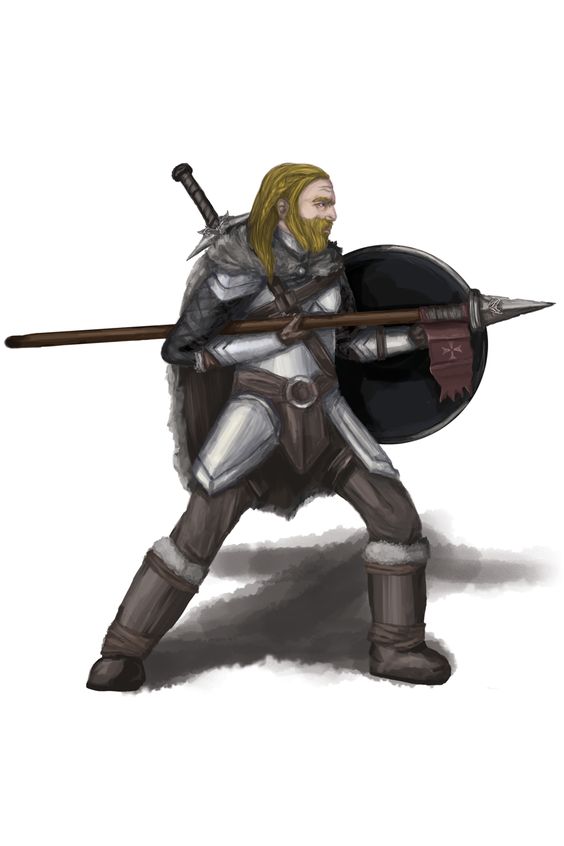
Writing Fantasy - Names. Male Nord Paladin
Writing Fantasy Names – Male Nord Paladin from ‘The Fellowship Of The King’

Art by Kirstie Shanks Brand & Web Design


3 Ways to Create Fantasy Names

Reading and researching old books from the countries or regions which have influenced your setting can be a big help. Consider the character of Heathcliff in Wuthering Heights. Heath means ‘an area of land covered in heather or similar low dense shrubbery’, and Cliff is ‘a high steep rock or precipice’. Heathcliff is a perfect name for the dishevelled and tortured romantic hero living on the English moors. (Dear to my heart as I was born there–not on the moors, down the road a bit).

Wuthering Heights by Emily Bronte, on Writing Character Names
Wuthering Heights by Emily Bronte

Other characters have more obscure names such as Mark Twain, the renowned author and humourist. He was born Samuel Clemens but used the pen-name Mark Twain, which means the second line on the side of the riverboat where Twain worked as a young man. The second line (mark) was 12’ and the safe depth mark for the boat.

How do you go about choosing, or inventing, a name for your fantasy characters? If I want to quickly write a short story or an ebook, I find it easier to use a name that fits with the occupation of the character.


First Name + Occupational Surname

Penelope Donkeyrider (Courier)

Dugan Bagsnatcher (Thief)

Ventrice Shoemaker (Cobbler)

Tola Axegrinder (Blacksmith)

Roland Brewmaster (Winemaker)

First Name + Setting Surname

Fantasy characters can also be named for the place where they live:

Jon Greenwood

Alex Steephill

Lara Pigstye

Beulah Wortbog

Lolita Lakebottom


First Name + Race

How about naming your character as easy as using their race as a descriptor?

Kreg Cave Dwarf

Felicia Fairy Princess

Harry Halfling

Trevor Troll

Eleander High Elf


You get the idea. I’ve come up with a few hilarious names doing this. I’ve also found watching the credits from shows and movies to be inspiring, especially if the show was filmed in a place similar to my story world. There are name generators that can help too. Here’s a site I go to for inspiration – Name Generator

And here’s a Dwarf Name Generator for you.


Authors and Pinterest

Giving my main characters names helped me to organize my files on my Pinterest boards where I stash every image I can find that looks at all like I envision my character to be as well as my story settings and other features. Now that Pinterest allows me to add ‘sections’ to my boards I have one for my hero, minor protagonists, the main villain, minor antagonists and one for settings. Also, I feel a closer connection to my characters when I talk to them if they have names (admit it, you do this too, right?) Check out my published books on Pinterest and the new novel I’m writing. I also use these images for my social media gems (unless they’re repinned and have copyright).

By naming my darlings, I feel them take on a personality, and it’s easier to write their story, how they would respond to situations and their mannerisms. Do you feel this way about your characters?

A brainstorming session with friends could generate a lot of names for you – and a lot of beverages snorting out of the nose (always a good party trick). What else could influence your characters’ names?

So, have fun with naming your characters.


What name would you give the character in the title picture?

Leave a comment. I’d love to know what name you came up with.

Til next time, know you are loved by the One who made you in His image.

Lynne

Writing Fantasy || Premise

What is a Premise?

A premise is the foundation of your story. It’s a single sentence that reflects the core of what happens to the characters because of the events. Your story supports this premise. If you know your premise before you start writing you’ll find it easier to write because your underlying thought drives your work. It will also help you remain focused on what you’re writing and the idea you want to convey to your readers.

Why is a premise so important?

Once your premise is solid, you can then begin to create a storyline that proves it. Let’s say for example you want to write about truth. Your premise could be as simple as “Honesty is the best policy”, then write a story supporting that. What do you want your reader to know about being honest, and why is it so important?

If you don’t yet have a story in mind and you’re still looking for a place to start, try Proverbs for a short, simple sentence that conveys an idea that inspires you, or a quote from a favourite movie.


Examples of a compelling premise


“When your beliefs are at war, does love stand a chance?”

The End Begins by Sara Davison, The Seven Trilogy, Book 1. Click on the book for more information.

Writing a compelling premise. The End Begins by Sara Davison


“Groundhog Day in space.”

Singularity – by Benjamin T. Collier. Click on the book for more information.


Once you have your premise, you can go on to writing your logline. Stay tuned…

Til next time, remember you are loved by the One who created you in His image.

Lynne


(note: I’m an Amazon affiliate and receive a small fee for using their images when I promote someone’s work.)

Your Writer’s Voice for God

As an author and Christian Life Coach, I’m often asked about how to get started with a writing career. Here’s a mini-course on just that – how to get started on the writing path. There are lots of coaching tips and I’ve included worksheets to help you through those all-important first stages of decision making and planning, plus a guide to help equip you with attainable goals for moving forward in your new career. This course is for anyone thinking about changing their profession or seeking a solid basis to grow their writing.

Is God calling you to write for Him?

  • Do you feel compelled by God to write?
  • Does anyone say your words have impacted or inspired them?
  • Has anyone in professional writing circles said your work is good?
  • Have you ever dreamed of writing Devotionals or Christian Romance novels?
  • If your answer to any of those questions is “yes,” —

Congratulations – You just might be a writer!

As an author and Christian Life Coach, I’m often asked how to start a writing career. Here’s a workbook to help you with that. It has a questionnaire about how to get started on the writing path.

There are lots of coaching tips, and I’ve included worksheets to help you through those all-important first stages of decision-making and planning, plus a guide to help equip you with attainable goals for moving forward in your new career. The workbook is for anyone thinking about changing their profession or seeking a solid base to grow their writing.

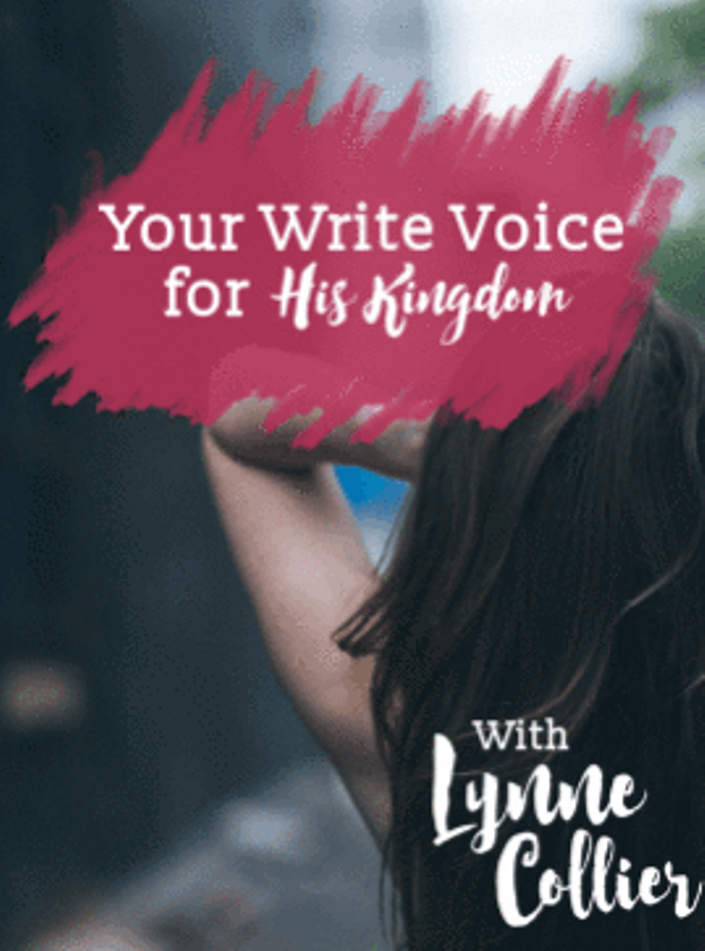
Your Write Voice for His Kingdom is available from Amazon as a print book and  Etsy as an instant download.

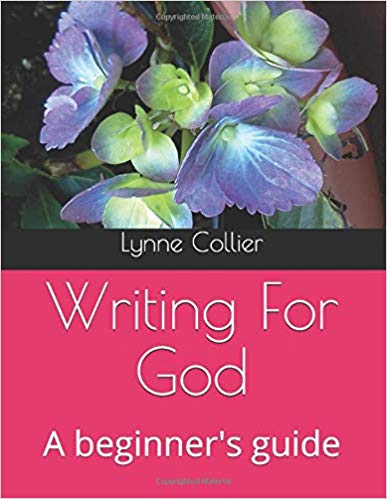
Writing for God - a beginner's guide book, front cover showing a blue hydrangea.
Writing for God – a beginner’s guide.

If God is calling you to write for Him, there’s no better partnership.
You are His masterpiece, Blessed one.

Til next time, know you are loved by the One who made you in His image.

Lynne